Autonomous System and AI Lab
COMPUTER SCIENCE & INFORMATION ENGINEERING NATIONAL CENTRAL UNIVERSITY
News
● 2026/03 Undergraduate student 劉伯毅 admitted to CMU (MIIS, ECE, MSAIE-IS), and Columbia (MSCS)
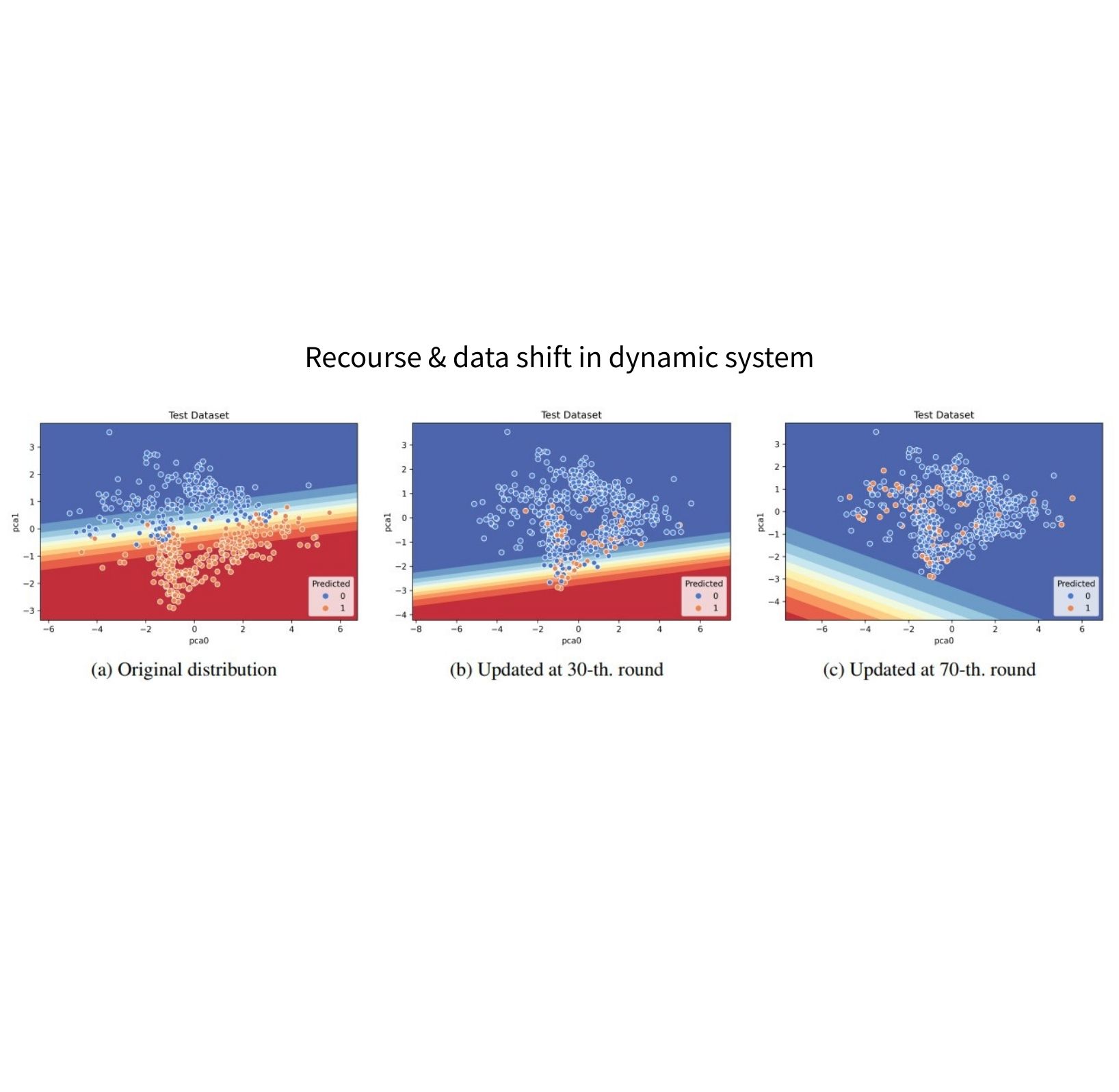
● 2025/10 Lab's research: Understanding Endogenous Data Drift in Adaptive Models with Recourse-Seeking Users was publised in Proceedings of AIES 2025
● 2025/08 Undergraduate student 賴光庭 admitted to Master's dual degree program at UC Davis
● 2024/10 Lab's research on PXGen: A Post-hoc Explainable Method for Generative Models was accepted to TAAI
● 2024/04 Graduate student 許珮萱 won the AACT Best Paper Award
Research field
Privacy, Fairness, Transparency, and Explainability in Machine Learning
Emphasis is placed on the societal impact and trust issues that arise when humans utilize such tools in Machine Learning.
Autonomous System
The resource is limited . We need a “smart” system to manage it.
Research Projects
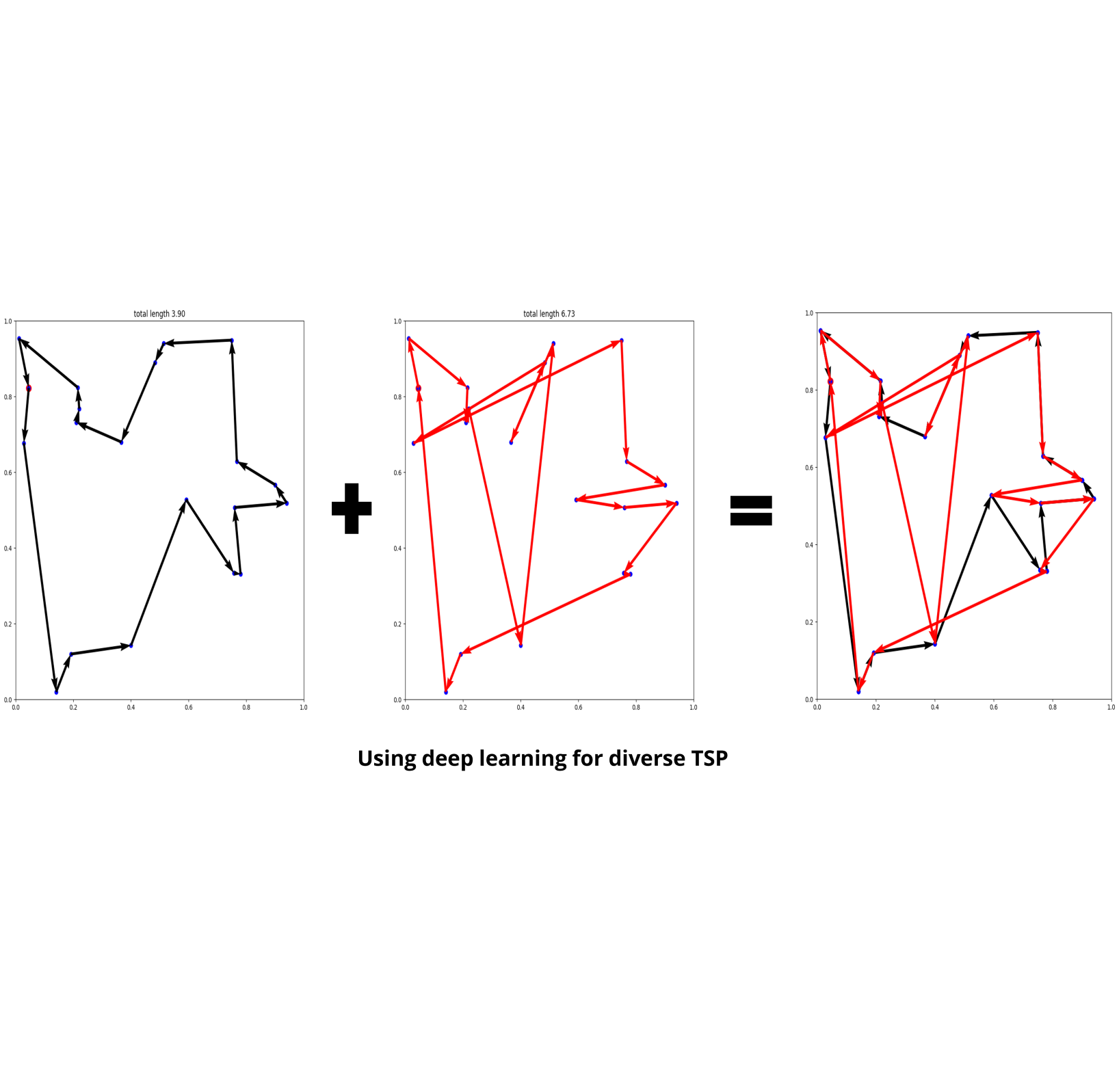
Using deep learning to generate suboptimal solutions for the Traveling Salesman Problem (TSP) while incorporating some randomness to improve the security of the tour path.
My project involves addressing a Multi-Agent Path Finding (MAPF) problem. The standard MAPF task entails determining paths for multiple agents in a given graph, leading from their current vertices to their respective targets, all while avoiding collisions with other agents. Simultaneously, the objective is to optimize a cost function associated with the paths.
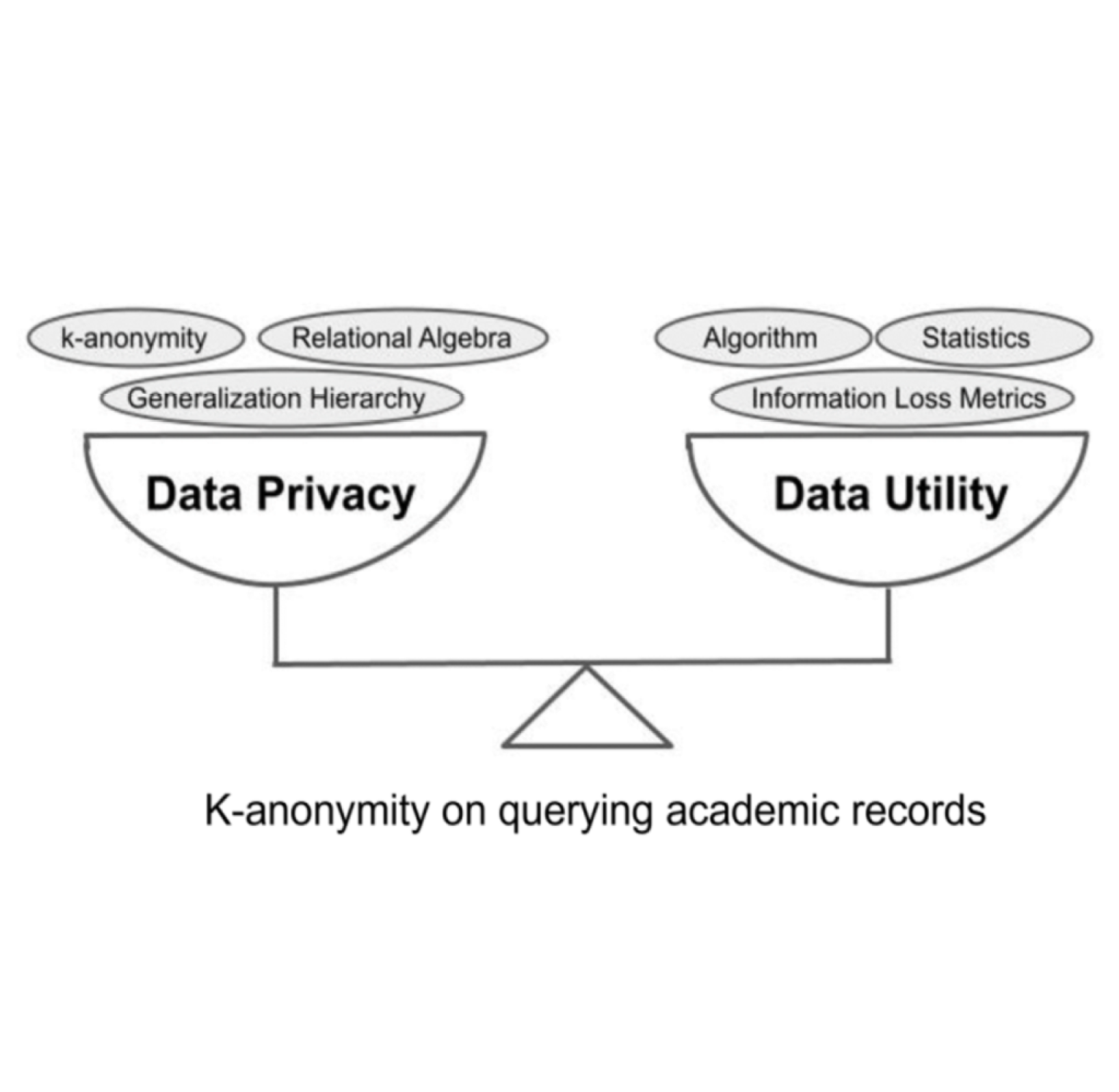
Data privacy, using anonymization techniques such as k-anonymity or differential privacy to protect students’ identities from being disclosed. The key is to consider and balance the privacy utility trade-off.
Prove and prevent model collapse due to recource recommendation systems. Algorithmic recourse creates a feedback loop where users' strategic attempts to meet model criteria cause an endogenous data shift, making retrained models raise decision thresholds and inadvertently increase the difficulty of achieving successful recourse. We use continual learning and a data labeling algorithm to mitigate this effect.
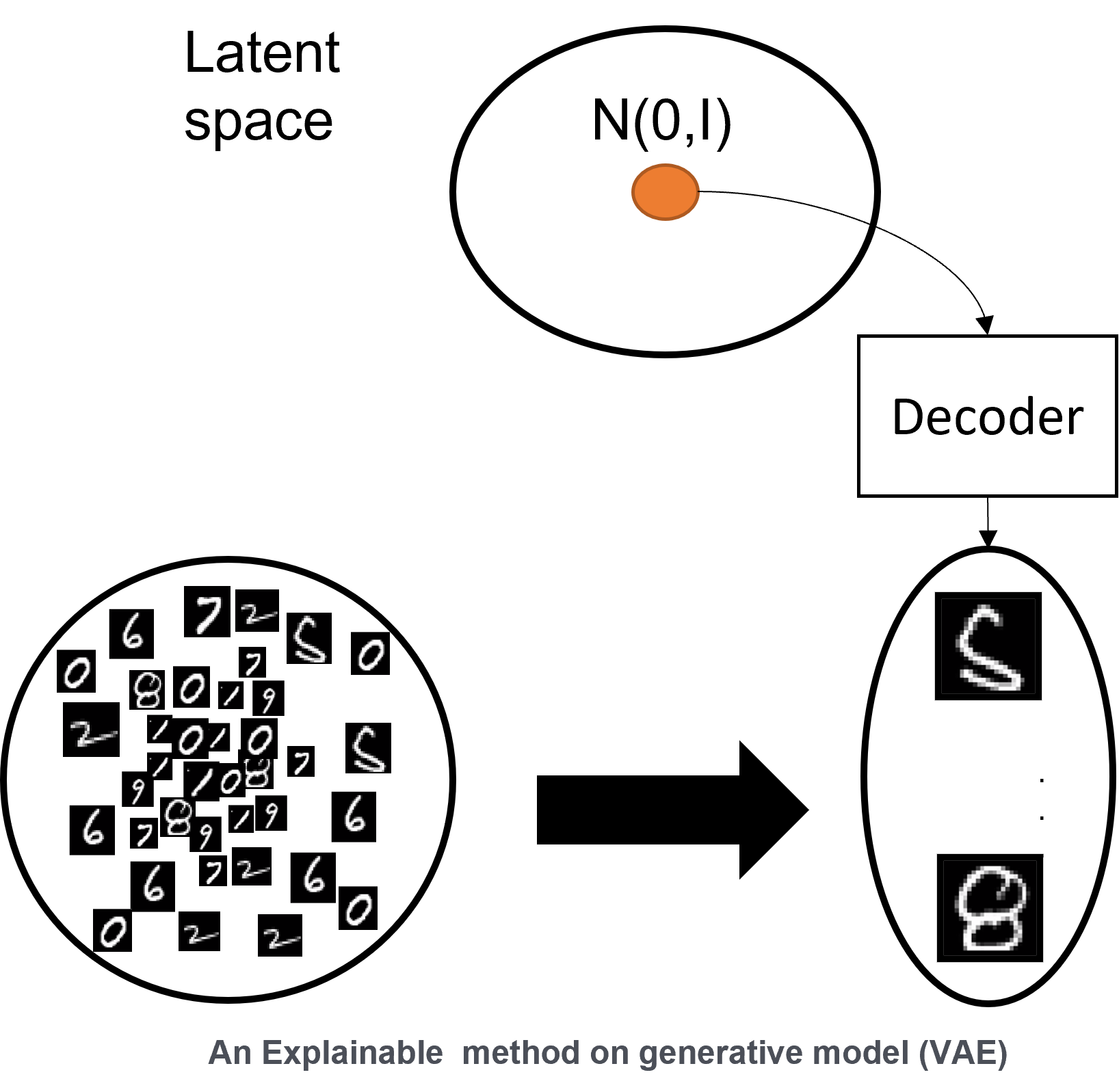
How to generate images using a generative model (VAE), and find a method to explain the sources of these generated images through latent variables in the training data.
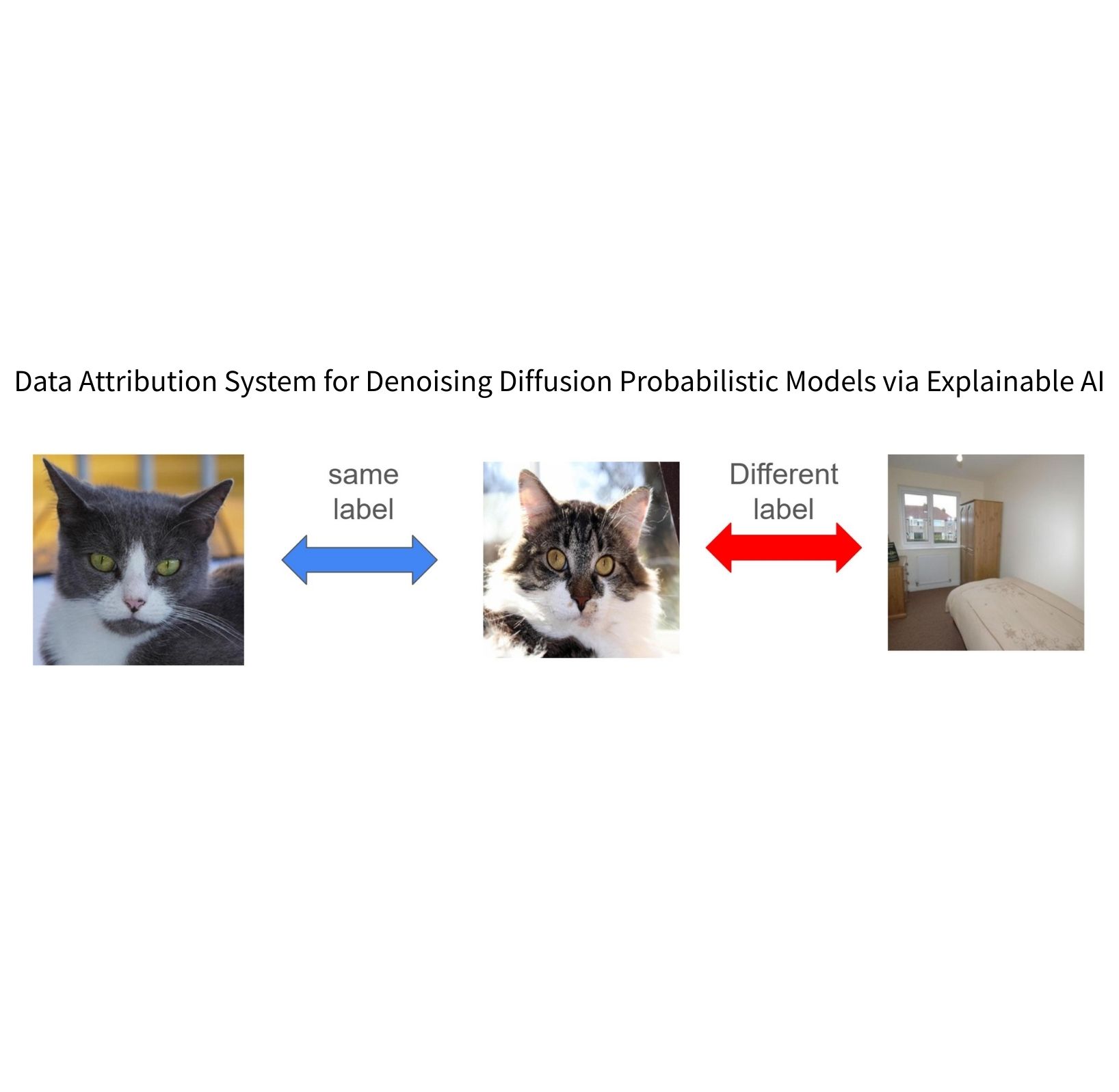
Analyzing the internal mechanisms of models, such as Denoising Diffusion Probabilistic Models, to investigate the variations and underlying regularities in neuron activations across diverse input distributions.
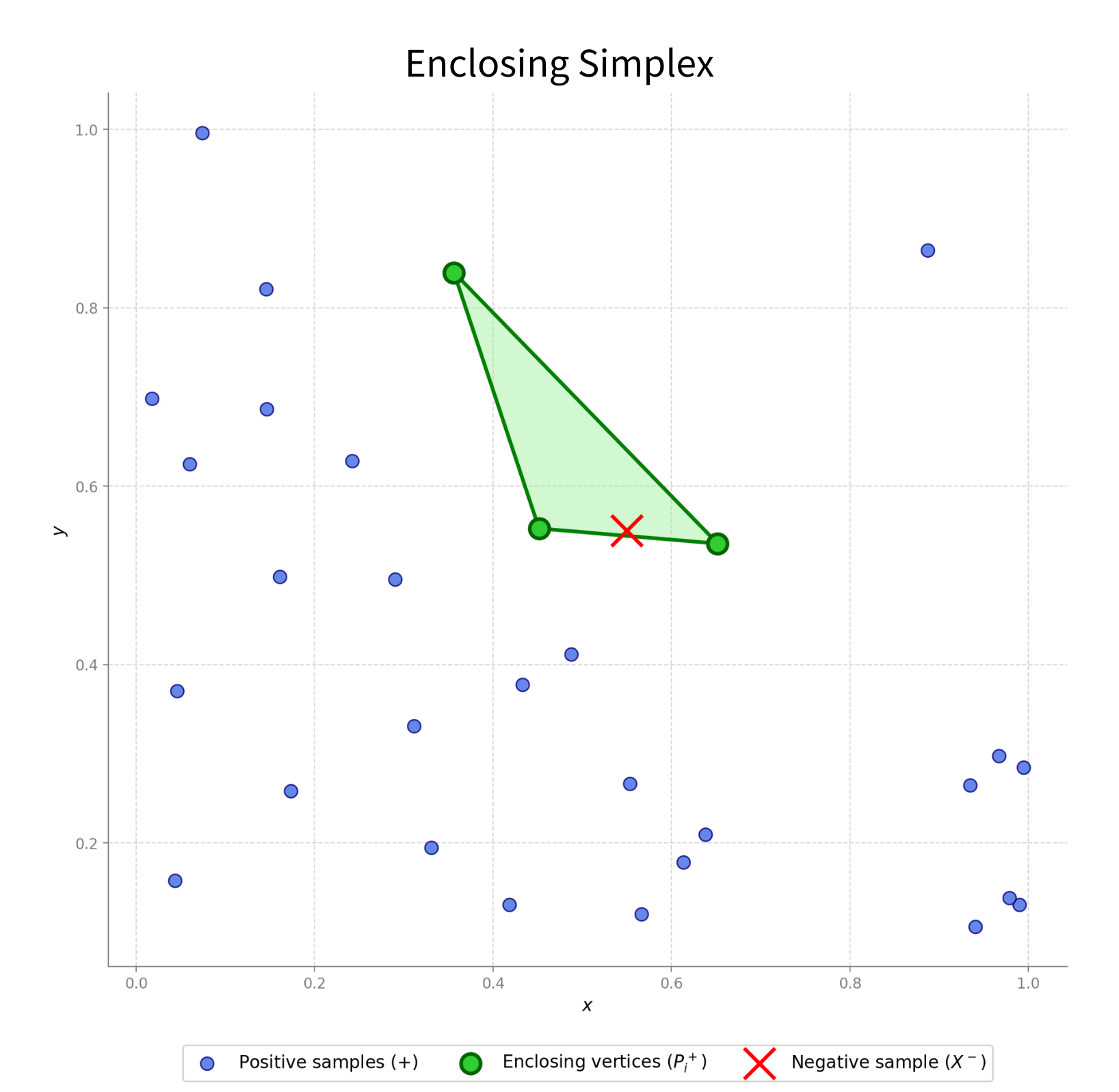
Proposing a geometric Explainable AI (XAI) framework that constructs enclosing simplices around query instances. By comparing a prediction against the consensus of its simplex vertices, we provide a systematic approach to audit individual fairness and uncover logical flaws in black-box models.
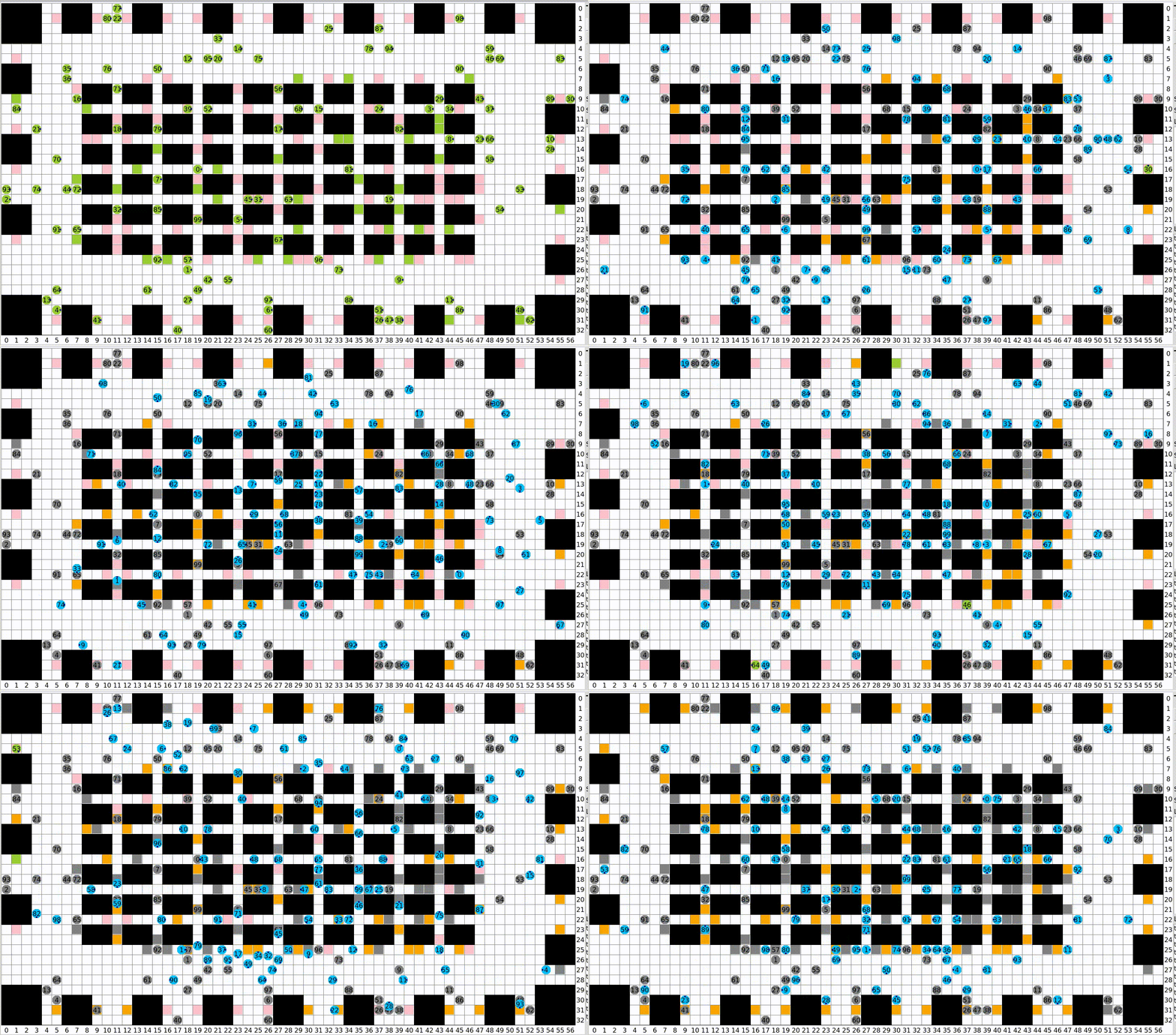
Number Speaks
Lorem ipsum dolor sit amet, consectetur
adipiscing elit. Ut elit tellus,
luctus nec
ullamcorper mattis, pulvinar dapibus leo.
Address:
桃園市中壢區中大路300號(國立中央大學 工程五館 E6-B539)
Email:
htyang@ncu.edu.tw
Open Hours:
Mon-Fri: 8am - 5pm
楊晧琮 助理教授
- 學歷 :美國紐約州立大學石溪分校博士
- 專長 / 多代理人自動化系統、物聯網安全、資料隱私、演算法設計
Our Professor
Hao-Tsung Yang’s research theme lies between autonomous systems, data privacy, algorithm, and machine learning.


Master
劉彥霆
林芝蓁
黃子凌
林憶茹
林奕戎
施逸隆
Master
王靖凱
陳冠綸
羅思遠
張志愷
Graduated
翁庭凱
許珮萱
林芊彤
王大瑋
黃彥龍
翁銘禧
陳弈學
黃尚崴
蔡承峻
劉至軒
Contact Us
Address
(32001)桃園縣中壢市中大路300號工程五館B224-1
Hours
- Weekdays - 11AM to 4PM
- asaiasai314159@gmail.com